How Many Hours of Wedding Photography Do We Really Need?
When you were ten, the wedding in your head didn’t have “coverage hours” or a timeline spreadsheet. It was a feeling: everyone you love in one room, the rush in your chest as you walked toward your person, the music, the laughter, the quiet moment where you finally exhale together.
Now you’re here, actually planning it, and suddenly that feeling is being translated into… 4-hour vs 6-hour vs 8-hour packages.
No wonder this question, “How many hours of wedding photography do we actually need?”, feels so much bigger than a simple number.
As documentary, candid wedding photographers, we’ve been there for full, messy, unforgettable days that started with coffee in the kitchen and ended with shoes off on the dance floor. In this guide, we’ll walk you through how wedding days actually unfold, what’s realistic for 4, 6, 8, and 10+ hour packages, and why we chose to offer full-day coverage with a minimum of 8 hours, not as a time-based commodity, but as an experience designed to serve you and your story.
By the end, you’ll have a clear, grown-up plan that still protects that younger dream.
Why This Question Matters More Than It Sounds
On paper, it’s a budgeting question. In reality, it’s a question about:
How rushed or relaxed your day will feel
Whether you get to be present or constantly aware of the clock
Which parts of your story will actually be photographed, and which will only live in memory
The hours you book don’t just control how long a photographer is physically there. They shape the rhythm of your day:
Do you have time to breathe while getting ready, or are you racing from makeup chair to first look?
Are family photos peaceful or chaotic?
Is there room for small, unplanned moments, the way your dad straightens his tie three times before knocking on the door, your best friend fixing your dress in the hallway, your grandma quietly watching you from the corner of the room?
Those are the moments our couples treasure years later. And those moments don’t tend to happen on a tight, 4-hour stopwatch.
The One Thing Most Couples Don’t Realize About Photography “Hours”
Here’s the secret almost no one explains clearly:
You’re not buying hours of someone clicking a shutter. You’re buying protection for the full arc of your story.
A 4-hour package is not “the same thing, but cheaper.” It’s a fundamentally different story:
Maybe you get the ceremony and a bit of portraits, but none of the getting-ready anticipation.
Or you get some getting ready and the ceremony, but no real reception coverage once the party actually starts.
So when we talk about hours, think of them as chapters of your day:
Getting ready
First look / portraits
Ceremony
Family photos
Cocktail hour & candids
Reception & dancing
Send-off / final moments
Most couples don’t realize each one takes real time and cutting coverage often means cutting chapters.
This is why all of our wedding packages are full-day, with a minimum of 8 hours. We don’t offer 4 or 6-hour “starter” options as a way to force an upsell later. We stepped away from that model on purpose.
We’d rather be honest and say:
You deserve coverage that serves your experience, not a clock that controls it.
What Actually Happens During a Wedding Day (and How Long It Takes)
Every wedding is different, but after photographing so many, we’ve seen clear patterns. Here’s a realistic breakdown of how long things usually take.
(These can be adjusted for your culture, traditions, and timeline, but they’re a solid starting point.)
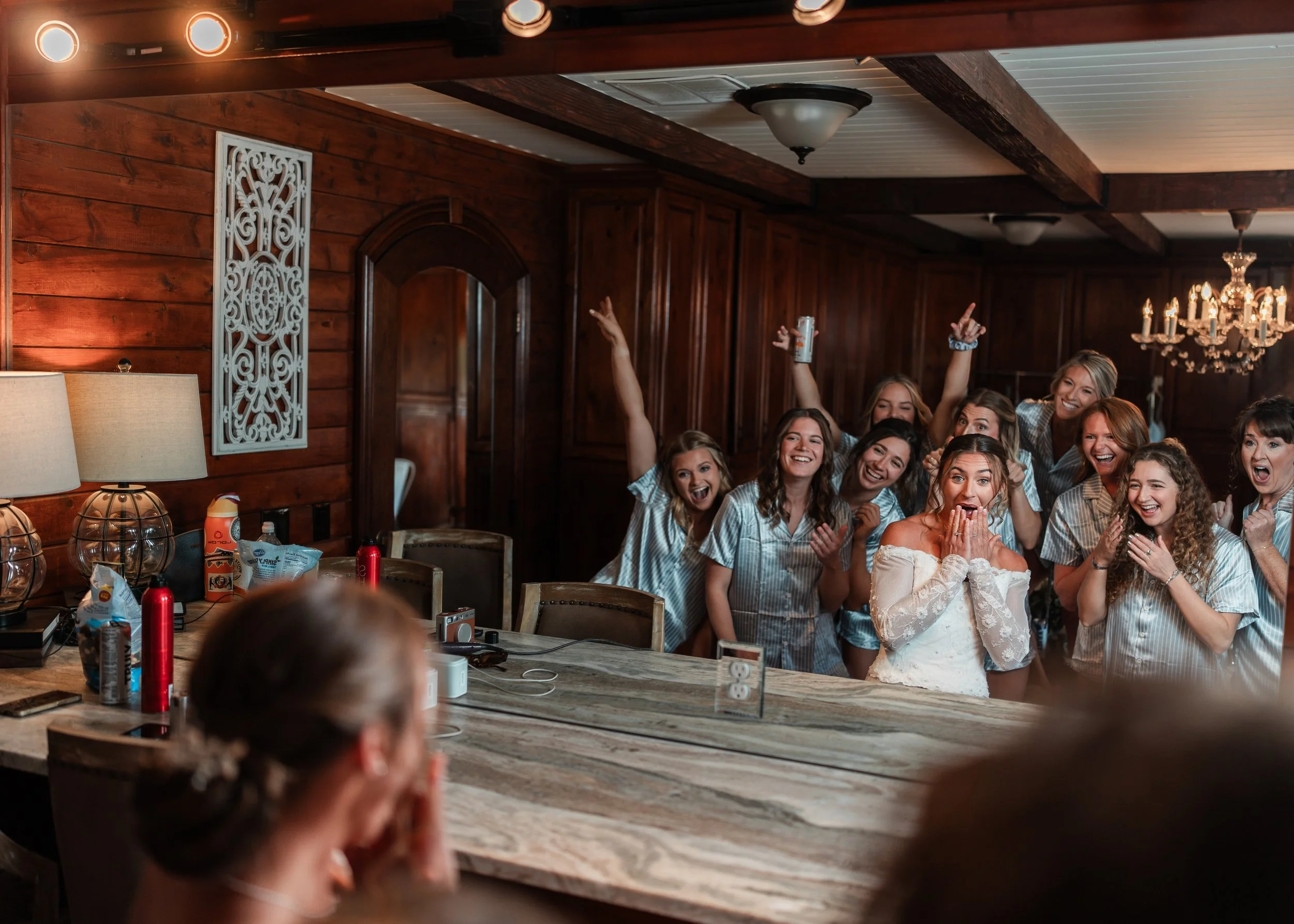
Getting Ready: 1.5–3 Hours
This is where the day begins to feel real.
Final touches of hair and makeup
Getting into your dress or suit
Details like outfits, invitations, jewelry, shoes
Candid moments with your people, the room buzzing, someone steaming your veil, a quiet hug from a parent
Time needed:
If you want mostly candid coverage: ~1.5 hours
If you also want details + both partners getting ready in different locations: ~2–3 hours (including travel)
First Look & Portraits: 30–90 Minutes
If you’re doing a first look, this is often where nerves melt into real emotion.
First look moment
A short portrait session of the two of you
Bridal party photos if you want to knock those out early
Time needed:
Quick first look + a few portraits: ~15–30 minutes
First look + portraits + bridal party photos: ~60–90 minutes
Doing this before the ceremony can free up cocktail hour so you can actually… hang out with your guests. Learn more about why a First Look helps keep things intimate on your wedding day here.

Ceremony: 30–60+ Minutes
Ceremony lengths vary:
Simple civil / non-religious: 15–30 minutes
Most standard ceremonies: 30–45 minutes
Catholic / religious or ceremony with multiple traditions: 60+ minutes
You’ll also want to factor in:
10–15 minutes if guests are running late
5–10 minutes for recessional / hugs / congratulations
Family Photos: 20–40 Minutes
These matter more than any of us admit on the inquiry call.
Done well, family photos are:
Efficient (no yelling across the courtyard)
Loving (there’s room for a quick hug, not just a stiff smile)
Time needed:
8–10 groupings: ~20 minutes
10–15 groupings or large families: ~30–40 minutes
Cocktail Hour & Guest Candids: 60 Minutes
This is where your inner ten-year-old’s dream really comes to life, everyone you love in one place, all talking at once.
Good coverage here means:
Candid interactions (friends seeing each other after years)
Couple mingling shots
Reception details photographed before people set their drinks down everywhere
Time needed:
Standard cocktail hour: ~60 minutes
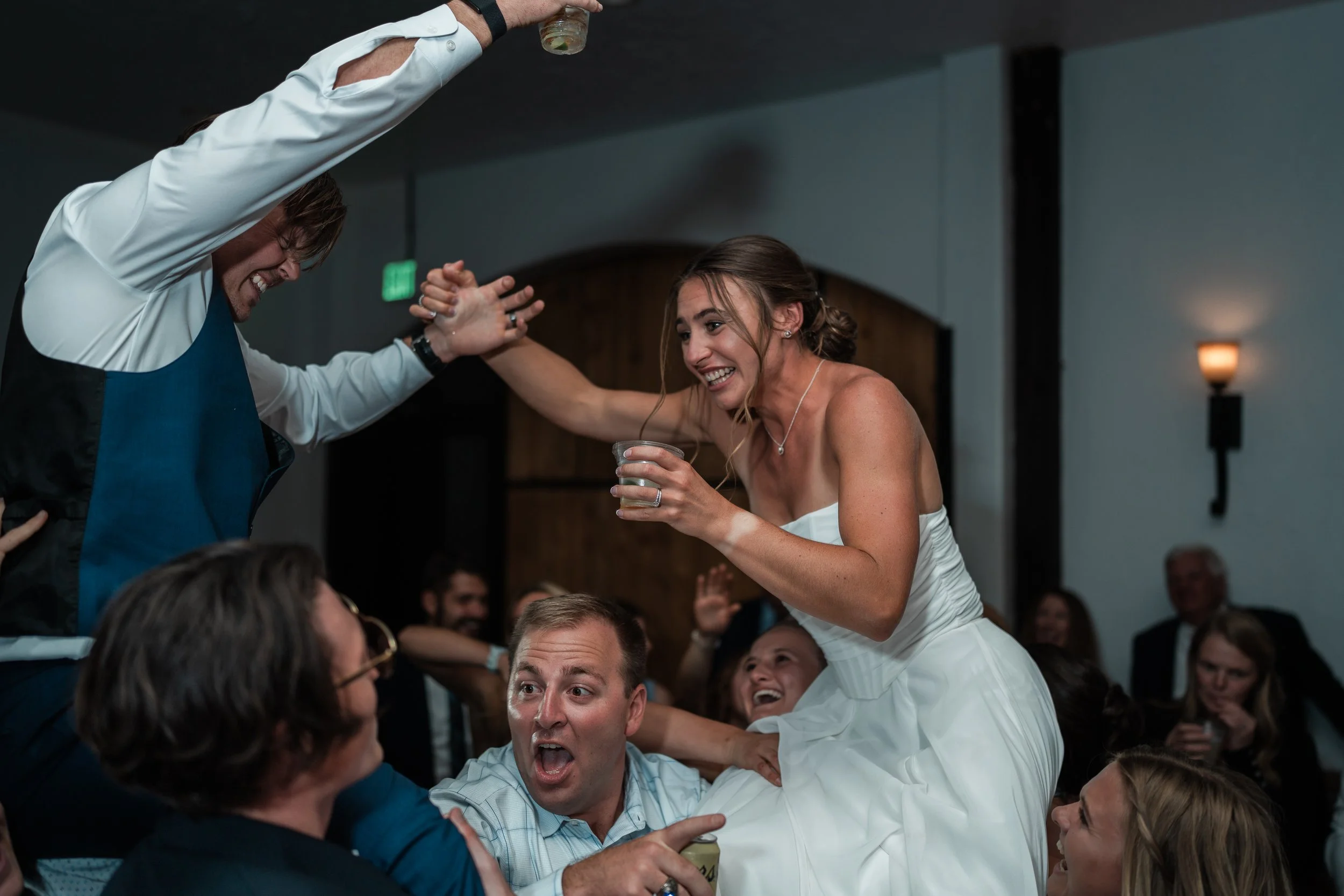
Reception & Dancing: 2–4 Hours
Depending on your culture and style of party, this can look like:
Grand entrances
Toasts/speeches
Dinner (plated or buffet)
First dances / parent dances
Open dancing and the wild, unfiltered moments that follow
Cake cutting, bouquet/garter (if you’re doing those), late-night snacks, etc.
Time needed:
Minimal reception coverage (just the formalities): ~2 hours
Full reception coverage (formalities + genuine dance-floor chaos): 3–4+ hours
What 4, 6, 8, and 10+ Hours Actually Cover
Let’s map this into what different packages usually mean in reality.
4 Hours of Coverage
Who it might work for:
Tiny courthouse or backyard ceremonies with fewer than 20–30 guests
Very simple, single-location celebrations with no reception or a short dinner only
What you get:
Ceremony
A short family photo session
A brief couple portrait session
What you likely miss:
Getting ready
Genuine reception energy
Unplanned in-between moments
For a full wedding day, 4 hours almost always feels rushed. You’re asking your photographer to tell your entire story in a highlight reel.
6 Hours of Coverage
Who it might work for:
Small weddings with a very simple timeline
Single-location events where everything (getting ready, ceremony, reception) happens in one place
Early ceremonies with no big send-off
What you get (typical):
Final 30–45 minutes of getting ready
Ceremony
Family photos
Some portraits of the two of you
A little bit of reception coverage (usually through toasts or first dances)
What you likely sacrifice:
Slow, candid getting-ready coverage
Full cocktail hour coverage
Either the end of the reception or relaxed portraits in good light
6 hours often becomes a game of trade-offs: “Do we want our photos to start later or end earlier?” And that’s where couples end up in the upsell trap: realizing too late that they needed more time and now have to buy extra hours at a premium.
8 Hours of Coverage (Our Minimum)
This is the sweet spot for most weddings.
Who it works for:
Standard weddings with 80–200 guests
One or two locations (e.g., hotel + venue, or both partners getting ready separately then heading to ceremony)
Couples who want both story and breathing room
What you can usually cover:
Getting ready (at least 1.5–2 hours)
First look and/or portraits
Ceremony
Family photos
Cocktail hour candids
Key reception moments (entrances, toasts, dances, some open dancing)
It’s not that every minute is posed, far from it. The extra time gives space for real life to happen. Jokes. Tears. Quiet.
10–12 Hours of Coverage
Ideal for:
Longer cultural/religious ceremonies
Multi-location days with real travel time
Couples who want both early getting-ready coverage and a late-night send-off or after-party
With 10–12 hours, you can usually cover:
Full getting-ready for both partners
First look / portraits
Ceremony
Full family photos + extra group shots
Cocktail hour
Full reception, including late-night moments and exit
If your wedding day is more of a “sunrise to midnight” experience, 10–12 hours lets the photography coverage match the scope of the real day.
Questions to Help You Choose Your Ideal Coverage
Instead of starting with a number, start with these questions:
What parts of the day mattered to you as a kid?
Was it the walk down the aisle, the first dance, everyone laughing over dinner, getting ready with your best friends? Those are your non-negotiables.How many locations are involved?
Home, hotel, church, venue? Every move eats into coverage and energy.Are you doing a first look?
First looks often shift some portraits earlier, which can create breathing room later.How important is cocktail hour to you?
If you want candid guest photos and time to actually talk to people, build that into your coverage, not just your catering.How long is your ceremony realistically?
A 20-minute ceremony vs a 60-minute mass makes a huge difference.Do you care more about the beginning of the day or the late-night dance floor?
You can shape coverage around what matters: early nerves vs late-night chaos, or both, with longer coverage.Are there cultural or religious traditions with specific timing?
Tea ceremonies, Baraat, Ketubah signing, receiving lines, all of these need space.
Once you’ve answered those, most couples land in the 8–10 hour range. That’s why we built our package structure around full-day coverage instead of shorter, “entry level” options.
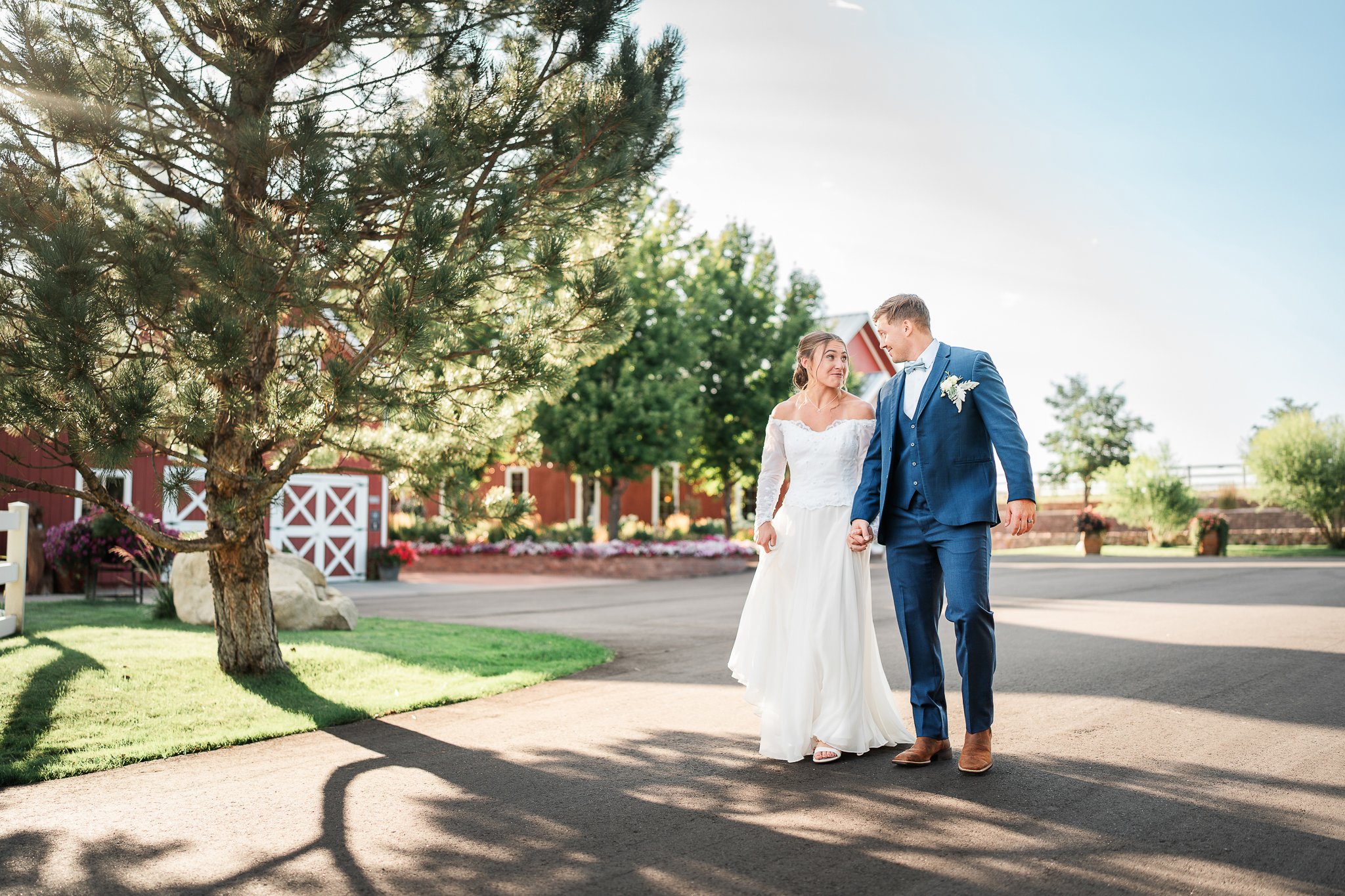
Sample 8+ Hour Timelines
To make this tangible, here are a couple of sample outlines.
Sample: 8-Hour Timeline With First Look
Let’s say your ceremony is at 4:00 PM.
12:30–2:00 PM – Getting ready coverage
2:00–2:15 PM – First look
2:15–3:00 PM – Couple portraits + bridal party photos
3:00–3:30 PM – Photographer captures ceremony details & guests arriving
4:00–4:30 PM – Ceremony
4:30–5:00 PM – Family photos
5:00–6:00 PM – Cocktail hour + candids
6:00–8:30 PM – Reception (entrances, toasts, dances, some open dancing)
What you get:
A full, relaxed narrative from getting ready through the best parts of the reception.
Sample: 9–10 Hour Timeline Without First Look
If you’re not doing a first look and want to see each other for the first time down the aisle, you’ll likely want a bit more coverage.
1:00–2:30 PM – Getting ready
2:30–3:00 PM – Travel / detail coverage / ceremony setup
3:30–4:00 PM – Ceremony
4:00–4:45 PM – Family photos
4:45–5:15 PM – Couple portraits
5:15–6:15 PM – Cocktail hour
6:15–9:15 PM – Reception (full coverage through open dancing and key events)
What you get:
You still protect that moment of seeing each other in the aisle, and you’re not sacrificing portraits or reception coverage to do it.
When Less Than 8 Hours Does Make Sense
There are absolutely times when you don’t need 8+ hours, and we want to name that honestly:
Courthouse ceremonies with a simple dinner afterward
Elopements that are intentionally short and sweet
Micro-weddings where the focus is just the ceremony and a small gathering
In those cases, a shorter, more focused coverage might be exactly right. The key is that your photography matches the real shape of your day, not an arbitrary norm.
For full weddings, though, where you’ve dreamed of getting ready with your favorite people, walking into a room full of guests, and ending the night on a crowded dance floor, full-day coverage is what allows that dream to unfold without being squeezed.
Final Thoughts: Choose Coverage That Serves You, Not the Clock
So, how many hours of wedding photography do you actually need?
For most full weddings, the honest answer is:
8 hours for a relaxed, complete story
10–12 hours if you have multiple locations, longer ceremonies, or you want everything from getting ready through late-night send-off
Anything less usually means you’re choosing which chapters of your story don’t get photographed.
You deserve more than a package built to upsell you later. You deserve a photographer who cares about how the day feels from the inside, not just how it looks from the outside.
If you want someone to:
Help you build a timeline that protects your presence
Document the candid, in-between moments you can’t plan
Offer full-day coverage (with a minimum of 8 hours) so you’re never watching the clock